HVAC Seasonal Lead Reactivation: Turn Last Year's Estimates Into This Year's Installs
Timing is everything in HVAC. Learn how to strategically reactivate old leads before peak seasons so you book more installs without spending more on ads.
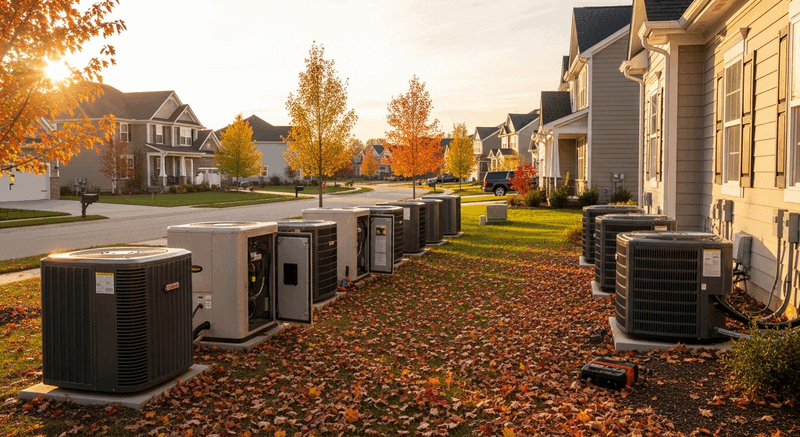
HVAC is one of the most seasonal industries in America. Demand for air conditioning peaks in summer. Heating calls surge in winter. And the transition seasons — spring and fall — are when smart contractors prepare for the rush. Yet most HVAC companies treat their marketing the same way year-round, missing the single biggest opportunity in their business: reactivating old leads at the exact right time.
If a homeowner requested an AC estimate last May but never moved forward, when do you think they will start thinking about air conditioning again? March or April. If someone asked about a furnace replacement in October and went cold, they will feel that urgency again in September. The question is: will you be the company that reaches out first, or will they search Google and find your competitor?
Why Seasonal Timing Matters for Lead Reactivation
The psychology of HVAC buying decisions is driven by discomfort — or the anticipation of it. Homeowners do not think about their air conditioner in January. But as the first warm days arrive, the memory of last summer sweating through a 90-degree weekend comes flooding back. That is the moment your reactivation message needs to land.
Research shows that leads contacted at the right time are 3-4 times more likely to convert than leads contacted randomly. This is especially true in HVAC because:
- The need is cyclical and predictable
- Homeowners procrastinate until discomfort forces action
- Being the first company to reach out gives you a significant advantage
- Urgency increases as peak season approaches — people do not want to wait during the rush
The HVAC Seasonal Reactivation Calendar
Here is a month-by-month framework for reactivating old HVAC leads at the optimal time:
January - February: Pre-Cooling Season Warm-Up
This is your window to reach out to every lead from the previous summer who inquired about AC installations, replacements, or major repairs but never converted. Your messaging should focus on:
- Getting ahead of the summer rush — scheduling now means faster installation and more availability
- Updated estimates if pricing or equipment has changed
- Early-season scheduling advantages (shorter wait times, more flexible scheduling)
A message like, "Hi [Name], we spoke last summer about upgrading your AC system. Spring is a great time to get that handled before the summer rush — would you like to revisit your options?" is simple, personal, and effective.
March - April: Spring Maintenance Push
This is the highest-value reactivation window for two audiences:
- Past customers due for maintenance: Anyone who has not had their AC serviced in the past year. AI can pull your service records and automatically send personalized reminders
- Old cooling leads: Last chance to re-engage summer leads before they start searching for new contractors on their own
Spring maintenance is a gateway service. A routine tune-up often uncovers issues that lead to a major repair or full system replacement. Getting past customers back in the door with a maintenance reminder is one of the smartest moves you can make.
May - June: Urgency Messaging
By now, temperatures are climbing. Your messaging should reflect increased urgency:
- "Summer is here — is your AC ready?"
- Reference their previous service history or inquiry
- Emphasize that your schedule is filling up (because it likely is)
This is also the time to reactivate leads from the previous fall and winter who asked about heating but may also have cooling needs. A customer who got a furnace estimate might also need duct work or a new AC unit.
July - August: Pre-Heating Season Prep
While your team is busy with cooling calls, start laying the groundwork for fall. Reach out to:
- All heating-related leads from the previous winter that went cold
- Past customers whose furnaces are aging (10+ years old based on install records)
- Anyone who had a heating emergency last winter — they may want a replacement before it happens again
September - October: Fall Maintenance and Heating Reactivation
Mirror your spring strategy for heating:
- Send furnace tune-up reminders to past customers
- Reactivate old heating estimate leads with updated information
- Emphasize the importance of getting heating systems checked before the first cold snap
November - December: Emergency Prevention
Final push before winter peak. Target homeowners who:
- Had furnace issues last winter but did not replace
- Have systems older than 15 years (replacement candidates)
- Requested quotes in fall but have not moved forward
Why AI Makes Seasonal Reactivation Possible
You might look at this calendar and think, "That is a lot of outreach." And you are right — which is exactly why manual follow-up fails. No office manager or sales rep can manage hundreds of personalized, perfectly timed messages across multiple seasons while also running daily operations.
AI-powered reactivation handles all of it:
- Automatic segmentation: AI sorts your leads by service type, timing, and status so the right people get the right message at the right time
- Personalized messaging: Every email and text references the homeowner specific inquiry — no generic blasts
- Multi-touch sequences: AI sends 5-8 messages over several weeks, adjusting the approach based on engagement
- Response handling: When someone replies, an AI assistant manages the conversation and books appointments on your calendar
- Continuous operation: The system runs 24/7, 365 days a year — it never takes a day off, never forgets, and never gets too busy
Building Your Seasonal Lead Pipeline
The most successful HVAC companies use seasonal reactivation as an ongoing pipeline strategy. Here is how to think about it:
- Every lead you generate today becomes a reactivation candidate tomorrow. Even leads that convert now will become maintenance reactivation candidates in 12 months
- Your lead database grows every month. The longer you have been in business, the larger your reactivation pool. A company with 5 years of lead data has an enormous asset
- Reactivation compounds over time. Leads that do not respond in spring might respond in fall. Leads from two years ago can still convert — especially if their system is now older and more problematic
Think of your old leads as a savings account that earns interest every season. The value keeps growing, and regular withdrawals (reactivation campaigns) generate consistent cash flow.
Common Mistakes in Seasonal HVAC Marketing
Avoid these pitfalls that undermine reactivation efforts:
- Waiting until peak season to start outreach. By the time summer hits, homeowners have already called your competitor. Start 6-8 weeks before peak season
- Sending generic, impersonal messages. "Dear Homeowner, it is time to schedule your HVAC service" gets deleted. Reference their specific history and needs
- Giving up after one message. Most leads need 5+ touches before they respond. AI provides the persistence that human teams cannot
- Ignoring past customers. Your best reactivation prospects are people who already trust you. Do not focus solely on unconverted leads — past customers are even more valuable
Get Ahead of Next Season
Whether you are reading this in January or July, the best time to start seasonal reactivation is now. Every day you wait is another day your old leads drift further from your company and closer to a competitor.
You do not need to figure out the timing, the messaging, or the technology yourself. AI-powered reactivation handles all of it — and you only pay for the results it delivers.
Ready to turn last year's estimates into this year's installs? Book a free strategy call and we will map out a seasonal reactivation plan tailored to your HVAC company.
*Statistics and figures cited in this article represent industry averages and estimates based on market research. Individual results may vary.