Your Kitchen & Bath Remodeling Company Is Losing Hundreds of Thousands in Unconverted Estimates
The average remodeling company converts less than 30% of its estimates. Those unconverted proposals represent massive recoverable revenue — and AI makes reactivating them simple and scalable.
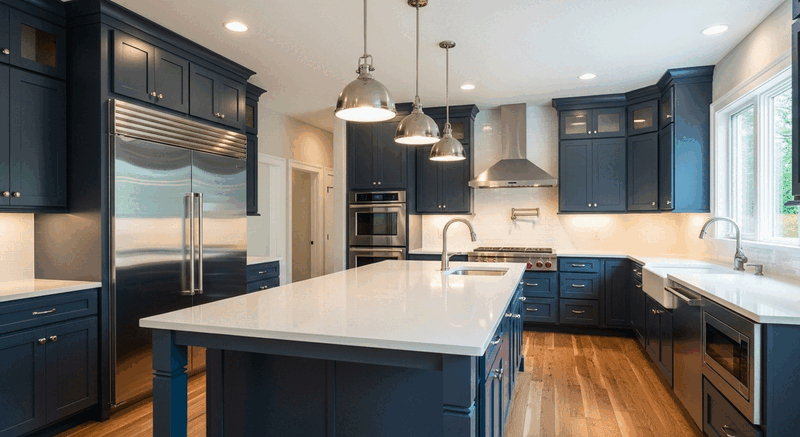
Every kitchen and bath remodeling company knows the drill: you visit the homeowner's home, take measurements, discuss design options, put together a detailed estimate — and then never hear from them again. It happens far more often than most remodeling business owners want to admit.
Industry data shows that the average remodeling company converts only 20-30% of its estimates. For a company writing 300 estimates a year at an average project value of tens of thousands of dollars, the unconverted estimates represent millions in potential revenue that simply evaporates. Even recovering a fraction of that pipeline transforms your bottom line.
Why Remodeling Estimates Go Cold
Understanding why homeowners do not move forward is the first step to recovering lost revenue. The reasons are overwhelmingly practical — not dissatisfaction with your company:
The Sticker Shock Factor
A full kitchen remodel is one of the largest home improvement investments a homeowner will make. When they see a proposal for tens of thousands of dollars, many need time to process it, discuss it with a spouse, explore financing options, or simply work it into their budget. Without follow-up during this decision period, the estimate goes stale and eventually gets forgotten.
Analysis Paralysis
Homeowners are told to get three estimates. So they do. But then they have three proposals with different scopes, materials, timelines, and prices. Comparing a custom cabinet quote to a semi-custom option with different countertop materials is confusing. Rather than make a potentially wrong decision on a major investment, they make no decision at all. The estimates sit in a kitchen drawer or an email inbox, and eventually all three companies lose the project.
Life Gets in the Way
A homeowner is excited about remodeling their outdated bathroom. They get an estimate, love the design concepts, and fully intend to move forward. Then a car breaks down, a kid starts college, or work gets stressful. The remodel gets pushed to "next quarter" — and then it has been a year. The need is still there. The desire is still there. They just need a nudge at the right time.
The Decision Timeline Is Long
Unlike an emergency HVAC repair or a storm-damaged roof, kitchen and bath remodeling is a discretionary purchase. The average homeowner takes 3-6 months from initial research to signing a contract. Most remodeling companies follow up once or twice in the first week and then move on. They are abandoning the lead right in the middle of the decision-making process.
The Hidden Revenue in Your Estimate Database
Let us put some numbers on the opportunity:
- A typical remodeling company generates 200-400 estimates per year through advertising, referrals, showroom visits, and online leads
- The average kitchen remodel is worth $25,000-$75,000; the average bath remodel is worth $10,000-$30,000
- At a 25% close rate, that means 150-300 estimates go unworked every year
- Even at a conservative average project value, those unconverted estimates represent well over a million dollars in potential revenue annually
If only 10% of those old estimates are recoverable, you are looking at six figures in revenue that requires zero new advertising spend. You already paid to acquire these leads. The cost of recovering them is a fraction of generating new ones.
How AI Reactivation Works for Remodeling Companies
AI-powered lead reactivation is specifically designed for this problem. Here is how it works:
Step 1: Import Your Estimate Database
Every estimate you have given in the past 12-24 months gets loaded into the system — names, contact information, project type, estimate value, and date. Most remodeling companies can pull this from their CRM, project management software, or even a spreadsheet.
Step 2: AI Analyzes and Segments
The AI categorizes leads based on project type (kitchen vs. bath), estimate value, time since last contact, and engagement history. High-value kitchen remodel estimates that went cold 3-6 months ago get prioritized differently than small bathroom updates from last year.
Step 3: Personalized Outreach at Scale
Instead of generic "just checking in" messages, the AI sends personalized communications that reference the specific project the homeowner was considering. A message might reference their kitchen layout discussion, mention a current promotion on the countertop material they were interested in, or note that your schedule has openings in their preferred timeline.
Step 4: Intelligent Follow-Up Sequences
The AI does not send one message and give up. It runs multi-touch sequences across text, email, and voicemail over several weeks. If a homeowner responds with interest, the system routes them directly to your sales team. If they say "not right now," they get placed in a nurture sequence for future reactivation.
Why This Works Better Than Manual Follow-Up
Most remodeling companies have tried to follow up on old estimates manually. A salesperson might call a few old leads when the schedule is light, or the office manager sends a batch email blast. The results are usually disappointing because:
- Timing is random — Manual follow-up happens when your team has downtime, not when the homeowner is ready to buy
- Personalization is missing — Generic emails do not reference the specific project or design choices discussed
- Consistency is impossible — Your team follows up enthusiastically for a week, then gets busy and stops
- Scale is limited — One person can call maybe 20-30 leads per day. AI can reach hundreds simultaneously
AI reactivation solves all of these problems. It operates 24/7, personalizes every message, follows up consistently, and scales to your entire estimate database without adding headcount.
Real Results from Remodeling Lead Reactivation
Companies using AI reactivation for their unconverted estimates typically see:
- 8-15% reactivation rate on estimates that were considered dead
- 3-5x return on investment compared to the cost of generating new leads
- Shorter sales cycles because these homeowners already know your company and have discussed their project
- Higher close rates on reactivated leads compared to cold leads because trust is already established
Stop Letting Old Estimates Collect Dust
Your remodeling company has already done the hard work of generating those leads, visiting the homes, and creating detailed estimates. The homeowners have not disappeared — they are still living with that outdated kitchen or cramped bathroom. They still want to remodel. They just need the right message at the right time.
AI reactivation turns your estimate database from a graveyard of lost opportunities into a pipeline of warm leads who are ready to revisit their remodeling project. The revenue is already there. You just need to go get it.
*Statistics and figures cited in this article represent industry averages and estimates based on market research. Individual results may vary.